What is Coral?
Coral is one of nature's most extraordinary organisms, and one of its most threatened.
Coral Is an Animal
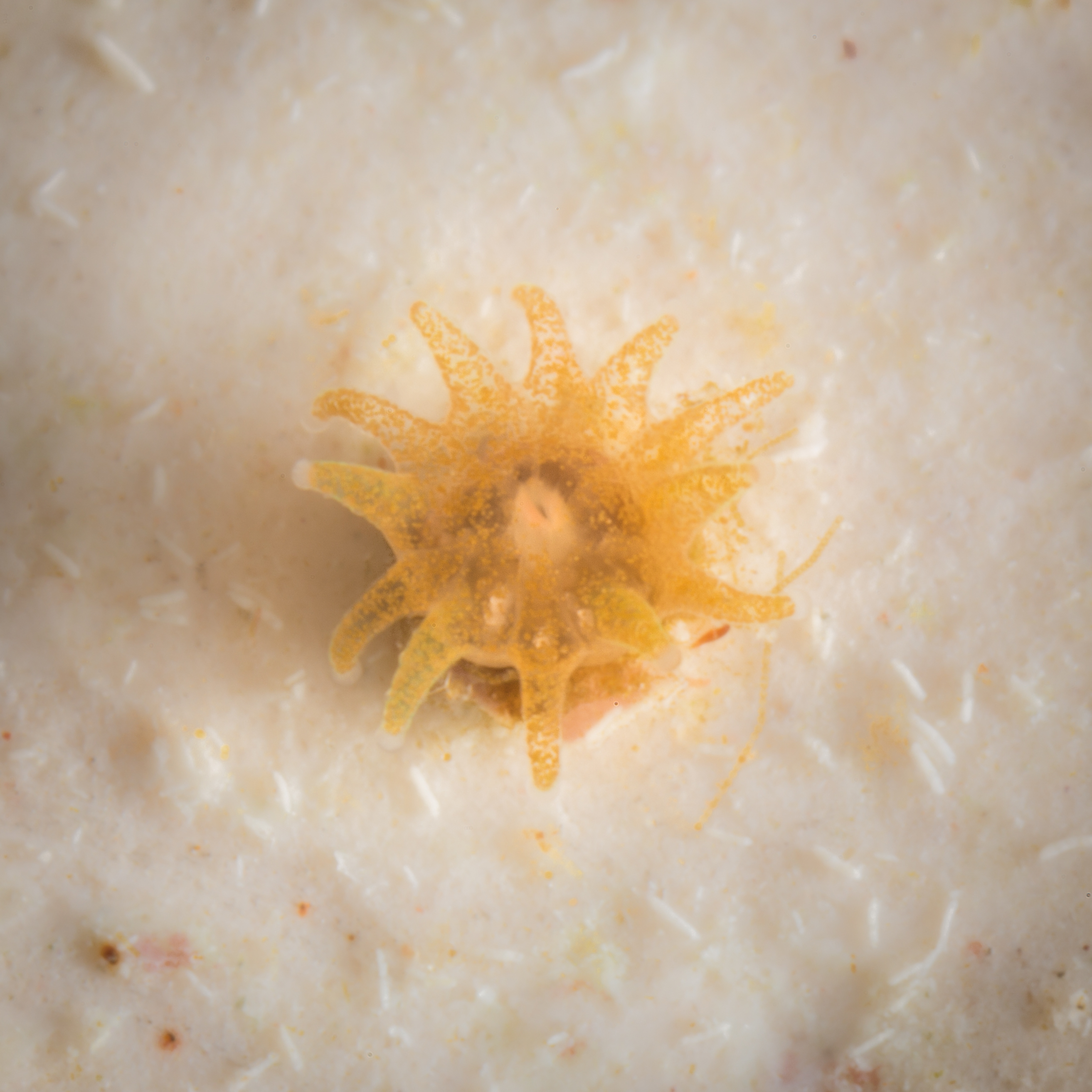
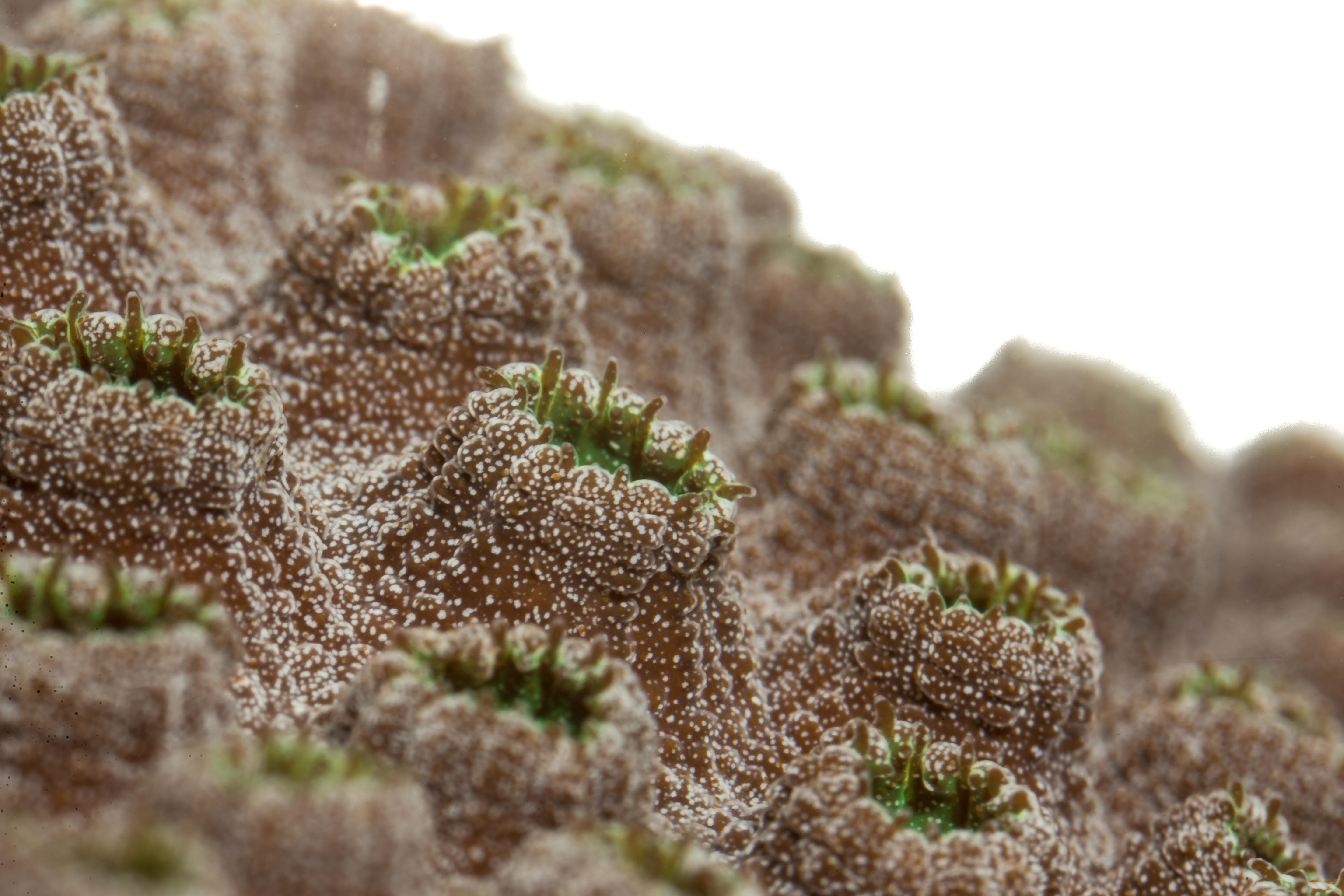
Despite looking like a rock or a plant, coral is actually a living animal. Individual coral animals - called polyps - are tiny, soft-bodied organisms closely related to sea anemones and jellyfish.
Each polyp secretes a hard calcium carbonate skeleton, and over thousands of years, millions of these skeletons accumulate to form the massive reef structures we see today.
Understanding Coral Biology
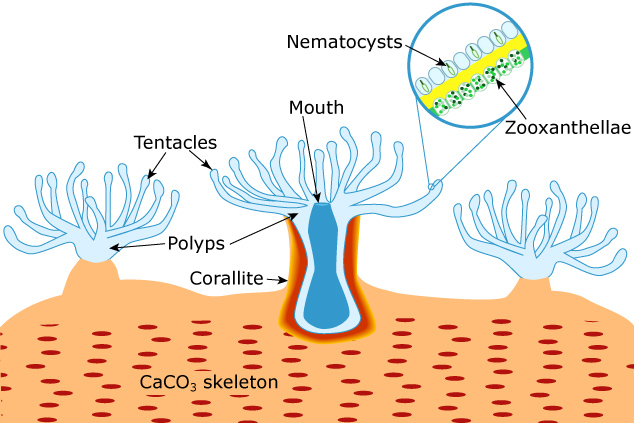
Coral Anatomy
A coral polyp has a cylindrical body with a mouth surrounded by stinging tentacles (nematocysts) used to capture tiny prey. The polyp sits on top of its hard exoskeleton, retreating inside when threatened.
Symbiosis with Zooxanthellae
Coral's brilliant colors come from zooxanthellae - photosynthetic algae that live inside coral tissue. In exchange for shelter, zooxanthellae provide the coral with up to 90% of its energy through photosynthesis.
Coral Bleaching
When water is too warm or polluted, stressed coral expels its zooxanthellae, turning white - this is bleaching. Without these algae, coral slowly starves. Bleached coral can recover if conditions improve quickly enough.
Reef Building
Hermatypic (reef-building) corals deposit calcium carbonate to form reefs. Growth rates vary by species - some grow just 1cm per year, others 10-25cm. Micro-fragmentation accelerates this dramatically.
Coral Reproduction
Coral reproduces both sexually (spawning eggs and sperm into the water during mass spawning events) and asexually (budding new polyps). Our micro-fragmentation technique harnesses asexual reproduction to dramatically speed growth.
Coral Genetics
Maintaining genetic diversity is critical in restoration. We grow dozens of distinct genotypes (genetic strains) to ensure restored reefs are resilient to varying conditions and future stressors.
Coral Species at Our Nursery
Plant A Million Corals works with a diverse range of Caribbean coral species. Each month, we spotlight a different species from our nursery.
Known for its distinctive brain-like pattern. A slow-growing massive coral important for reef structural integrity.
One of the fastest-growing Caribbean corals, critical for reef building. Federally listed as threatened.
A massive, long-lived coral species that forms the backbone of Caribbean reef systems. Can live hundreds of years.
One of the most important reef-building corals in the Caribbean. Its large, flattened branches provide critical fish habitat.
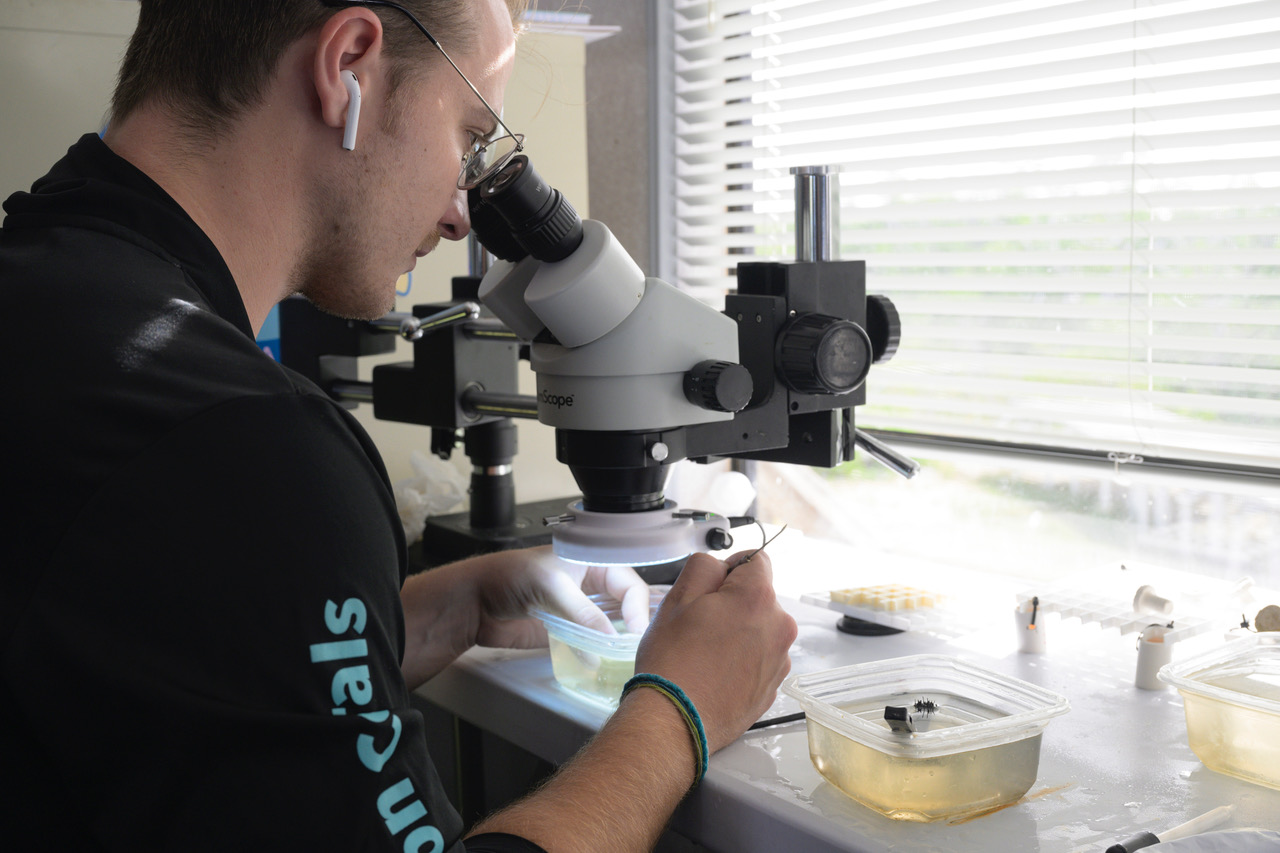
Coral Up Close
Threats to Coral Reefs
Ocean Warming
Rising ocean temperatures, driven by climate change, trigger coral bleaching. When temperatures rise just 1-2°C above normal, mass bleaching events occur.
Ocean Acidification
As oceans absorb CO₂, water becomes more acidic, making it harder for corals to build their calcium carbonate skeletons and slowing reef growth.
Pollution & Runoff
Agricultural runoff, sewage, and chemical pollution cause algae blooms that smother corals and block sunlight, creating conditions hostile to reef survival.
Physical Damage
Boat anchors, irresponsible diving, coral mining, and destructive fishing practices cause direct physical damage to reef structures that took millennia to build.
Now That You Know, Help Save Coral
Understanding coral is the first step. Taking action is the next. Join our community of ocean advocates today.