Why Are Corals Important?
Coral reefs cover less than 1% of the ocean floor, yet they support 25% of all marine life and billions of people worldwide.
The Ocean's Rainforests
Coral reefs occupy less than 1% of the ocean floor, yet they are home to more than 4,000 species of fish and a quarter of all marine life. Their structural complexity creates a mosaic of microhabitats that support an extraordinary density of species.
Lose the reef, and you lose the ecosystem. Fish that depend on coral for shelter, breeding, and feeding - from tiny damselfish to large reef sharks - would collapse. This cascading effect would devastate ocean biodiversity globally.
Fisheries & Food Security
Coral reefs are nursery grounds for many commercially important fish species. Globally, reefs contribute 25–40% of the total fish catch in developing countries, providing a critical protein source for over 500 million people.
In island nations and coastal communities, reef fisheries are not just an economic resource - they are a cultural cornerstone and a survival necessity. Reef collapse means food insecurity for hundreds of millions.
Nature's Seawall
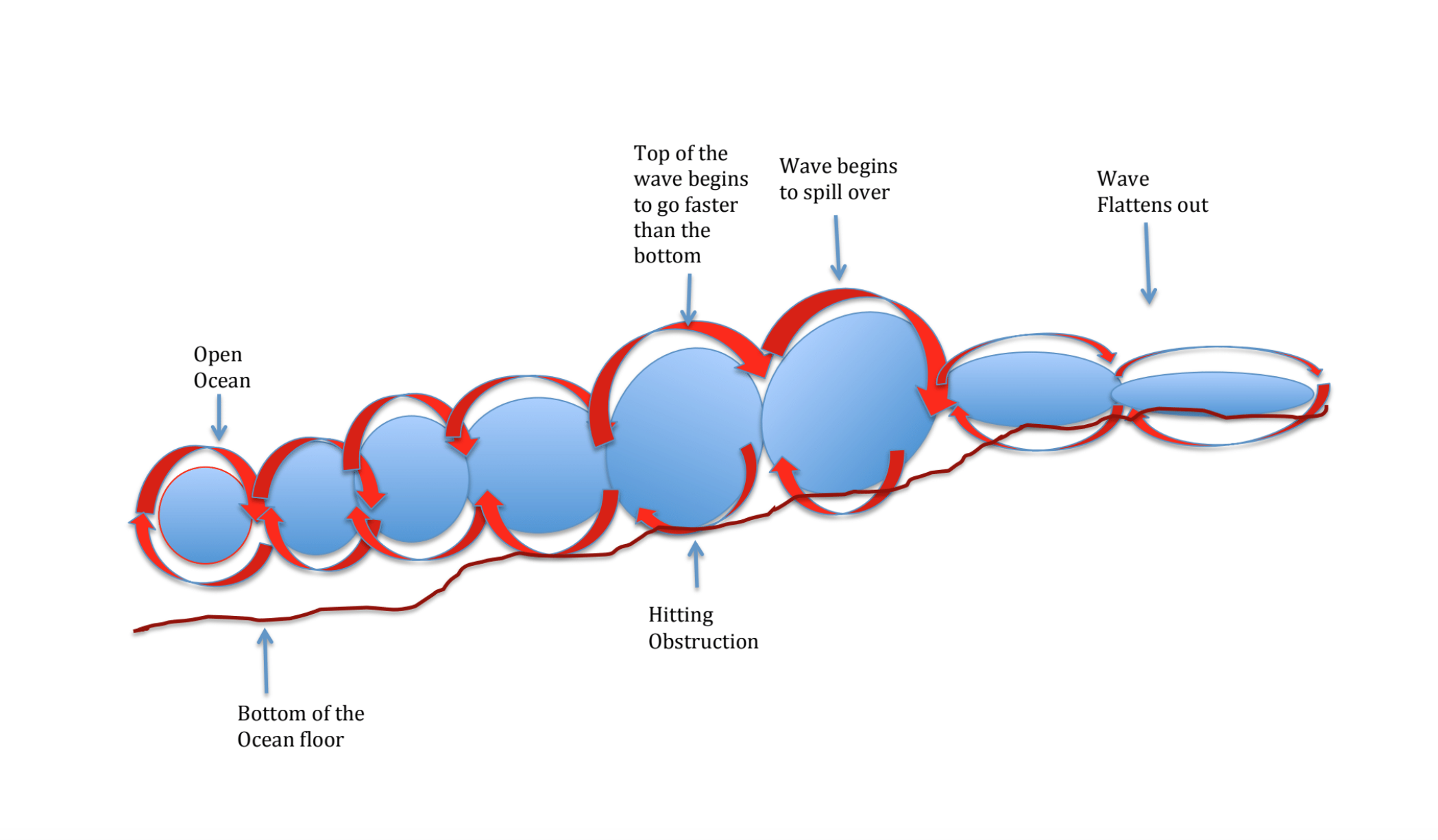
Coral reefs act as natural breakwaters, dissipating up to 97% of wave energy before it reaches shorelines. This protection is critical for preventing coastal erosion, storm damage, and flooding of low-lying communities.
The value of this protection is estimated at over $9 billion per year worldwide. As storms intensify with climate change, healthy reefs become even more critical for coastal resilience, especially for small island nations.
The Rainforests of the Sea
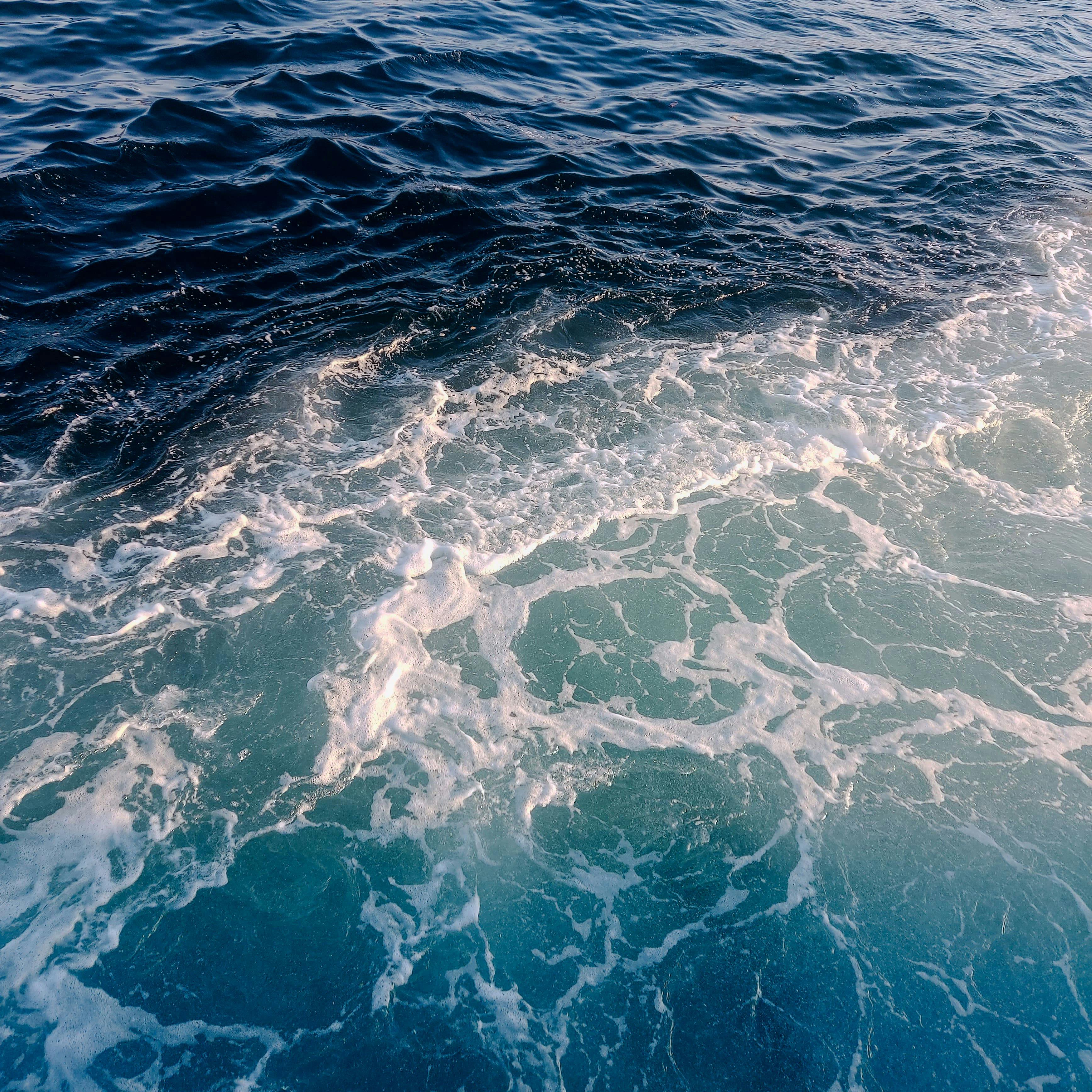
Coral reefs are sometimes called the "rainforests of the sea." The algae living within coral tissue (zooxanthellae), along with other ocean plants like seagrass and phytoplankton, produce a significant portion of the world's oxygen.
The ocean as a whole produces approximately 50% of the world's oxygen. Coral reef ecosystems are central to maintaining the marine productivity that makes this possible.
Billions in Economic Value
Coral reef tourism - diving, snorkeling, reef watching - generates hundreds of billions of dollars annually. In destinations like the Florida Keys, Great Barrier Reef, and Caribbean, reef-based tourism is the economic backbone of entire regions.
Reefs also support pharmaceutical research - many life-saving medicines, including cancer treatments and anti-inflammatory drugs, have been derived from reef organisms. The potential of undiscovered reef compounds is incalculable.
What Happens If We Lose Coral Reefs?
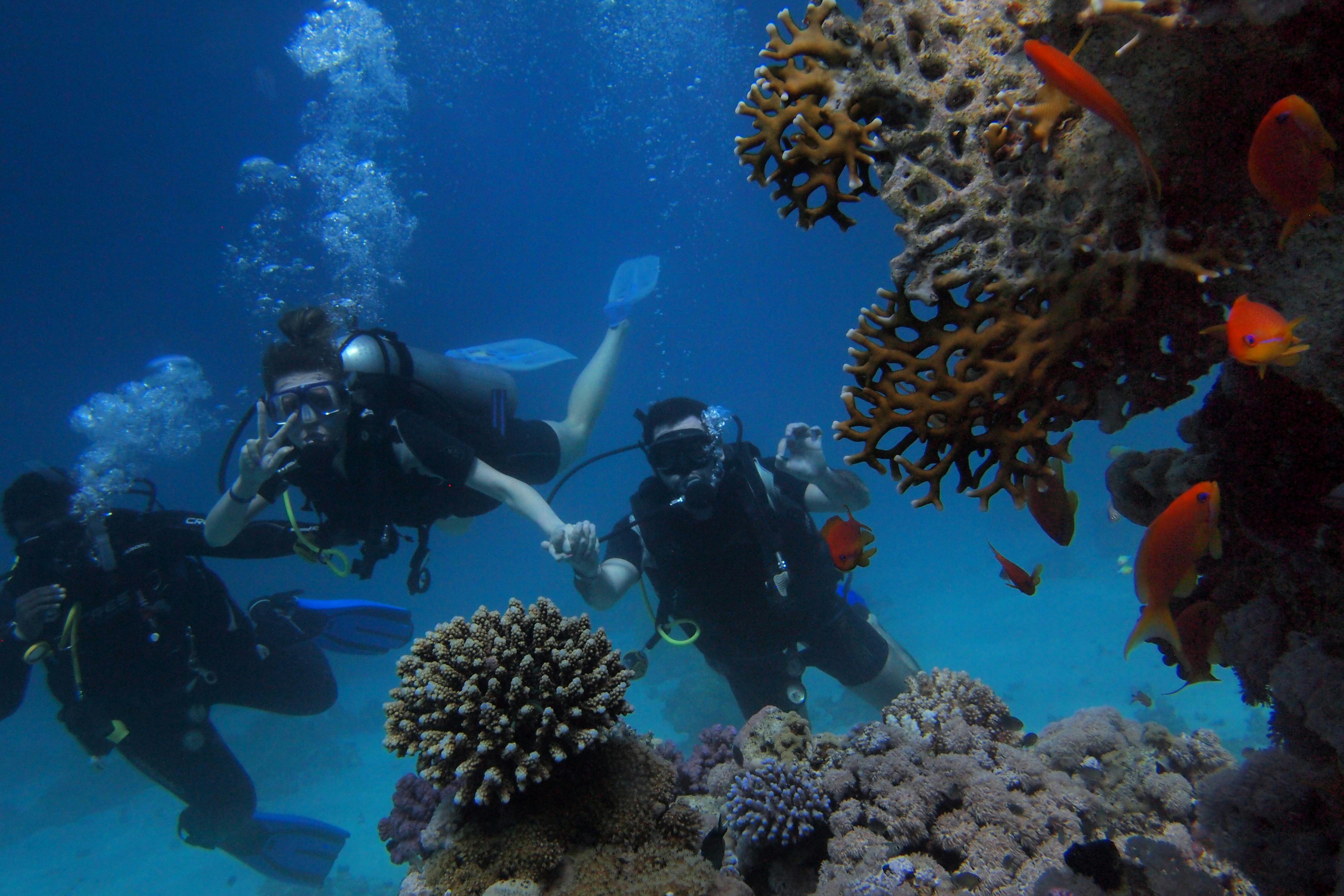
With 25-40% of reefs already lost or severely degraded, scientists warn that without dramatic action, most coral reefs could be gone by 2050. The consequences would cascade through every aspect of human life connected to the ocean, and that includes all of us.
Collapse of fisheries feeding billions
Coastal flooding of cities and islands
Loss of marine biodiversity for centuries